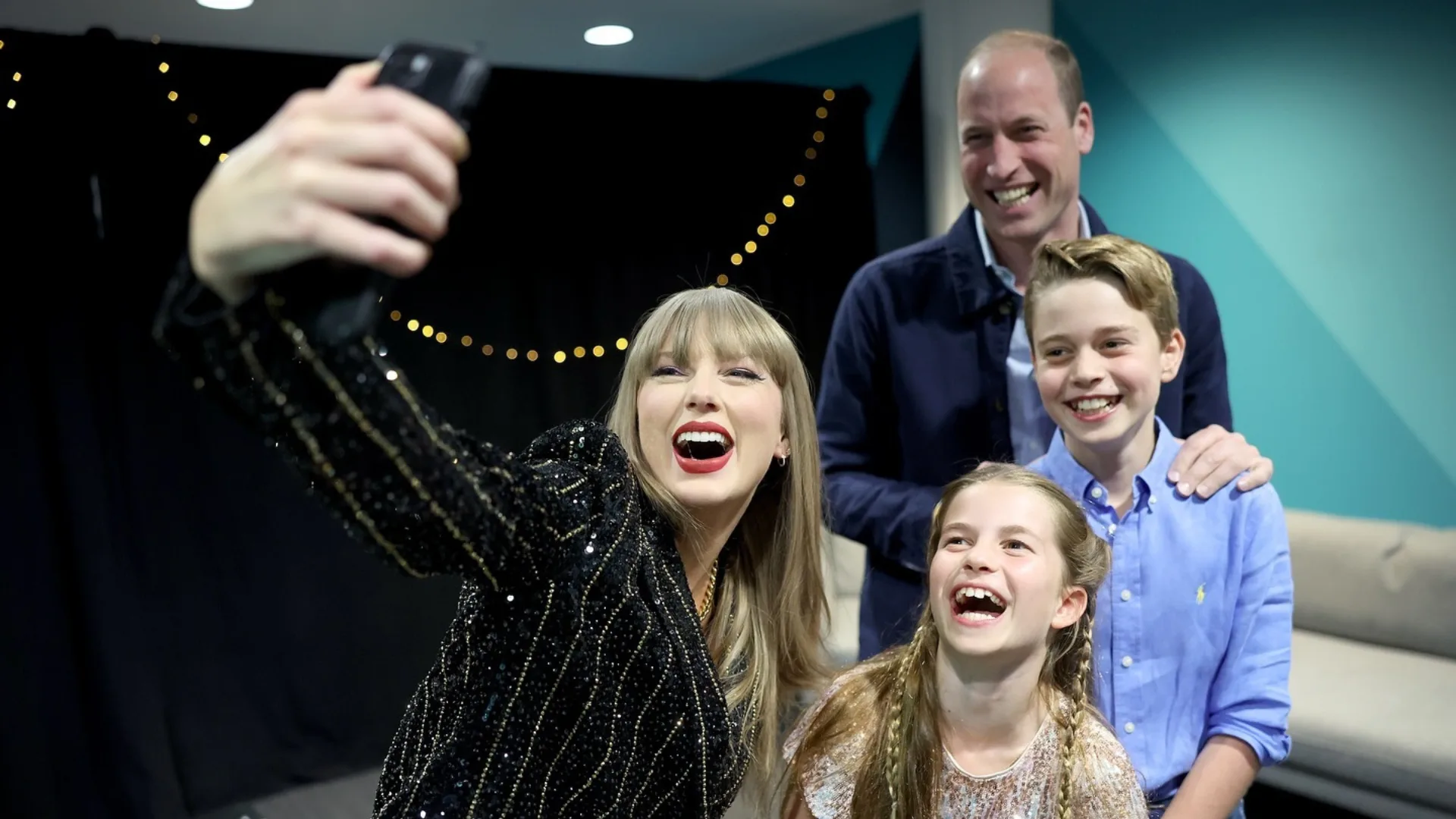
The fascination with royalty is perhaps one of the oldest forms of celebrity obsession in human history. Long before the advent of silver screens and social media followers, kings, queens, and princes were the original “influencers,” dictating fashion, etiquette, and social norms from their gilded palaces. However, as we move further into the 21st century, the line between traditional royalty and modern celebrity has become increasingly blurred. The “Royal Life” is no longer just a matter of lineage and legislation; it has become a high-stakes performance played out on a global stage, subject to the same scrutiny, viral trends, and public opinion shifts as any Hollywood A-lister.
The Original Blueprint of Fame
Historically, royalty and celebrity occupied two very different spheres. Royalty was inherited, perceived as a divine or state-mandated duty, and characterized by a sense of “mystique” and distance. The motto of many European houses was effectively “never explain, never complain.” Celebrity, on the other hand, was often achieved through talent, scandal, or public charisma—it was something “earned” or “granted” by the masses.
In the modern era, these two worlds have collided. Today’s royals are required to be more than just symbols of a nation; they are expected to be relatable, philanthropic, and media-savvy. This transition began in earnest with the televised coronation of Queen Elizabeth II and reached a fever pitch with the life of Diana, Princess of Wales. Diana was the bridge—the first true “Royal Celebrity” who understood that her power lay not just in her title, but in her ability to connect with the public through the camera lens.
The Relatability Paradox
One of the greatest challenges facing modern royalty is the “relatability paradox.” To remain relevant in a democratic society, royals must appear “just like us”—dropping their children off at school, discussing mental health, or wearing high-street fashion brands. However, if they become too much like us, the mystery and “majesty” that justify the existence of a monarchy begin to dissolve.
Celebrities face a similar struggle, but in reverse. They often start as “ordinary” people who strive for the “royal” treatment: private jets, exclusive estates, and a sense of untouchability. In 2026, we see a fascinating role reversal where Hollywood stars often live more secluded, “regal” lives than the actual royals, who are increasingly pushed toward transparency and public service to maintain their tax-funded status.
The Influence of Digital Media on the Palace
Social media has fundamentally changed the “Royal Life.” Gone are the days when a palace press secretary could control the narrative with a single, carefully worded statement. Today, a royal’s every gesture, outfit choice, or facial expression is captured in high-definition and dissected by millions of “royal watchers” on platforms like TikTok and Instagram.
This has led to the rise of the “Digital Courtier.” Royal houses now employ sophisticated social media teams to produce content that feels intimate yet remains highly controlled. From behind-the-scenes glimpses of state banquets to birthday portraits taken by royal parents themselves, the goal is to provide a curated sense of access. This strategy mirrors how top-tier celebrities manage their “personal brands,” proving that in the digital age, a Crown is just as much a brand as it is a piece of jewelry.
Philanthropy as the Modern Currency of Power
For both royals and celebrities, philanthropy has become the primary way to validate their status. In the past, a royal’s duty was simply to “be.” Today, their duty is to “do.” The most successful royals in 2026 are those who have successfully pivoted toward specific, actionable causes—be it environmental conservation, early childhood development, or veterans’ rights.
This creates a competitive landscape with celebrities who are also vying for the title of “global humanitarian.” When a Prince and a Hollywood superstar both attend a climate summit, they are essentially competing for the same “moral authority.” This intersection shows that “Royal Life” is no longer about ruling territory; it is about ruling the conversation around global issues.
The Fashion Diplomacy of the High-Profile Life
Fashion has always been a tool of the trade for those in the public eye, but for royals, it is a form of “silent diplomacy.” Every garment worn by a royal during an international tour is a coded message—often a nod to the host country’s colors, a local designer, or a sustainable fashion initiative.
Celebrities use fashion for shock value or trend-setting, but royals use it to communicate stability and respect. However, we are seeing more overlap here as well. Royals are increasingly appearing on the covers of major fashion magazines, and celebrities are adopting “regency-core” aesthetics. The mutual influence is undeniable, with the “Kate Effect” or the “Meghan Effect” driving millions of dollars in retail sales, much like a viral post from a top-tier fashion influencer.
Managing Privacy in an Unfiltered World
Perhaps the most significant point of tension between royal life and celebrity status is the right to privacy. Celebrities often enter a “contract” with the public—fame in exchange for a certain loss of privacy. For royals, who are born into this contract without consent, the struggle is more complex.
The legal battles over paparazzi photos and the rise of unauthorized “tell-all” biographies have forced many royal families to adopt even more stringent privacy measures. In 2026, we see a trend of royals and celebrities alike retreating to “private enclaves,” attempting to reclaim their personal lives from a world that feels entitled to every detail of their existence.
Conclusion
The worlds of Royal Life and Celebrity Culture are now inextricably linked. While one is built on a foundation of ancient tradition and the other on the fleeting nature of modern fame, they both serve a similar psychological purpose for the public: they provide a grand narrative, a sense of drama, and a set of archetypes through which we view our own lives.
As we look forward, the survival of “Royal Life” will likely depend on its ability to navigate the celebrity-driven media landscape without losing the historical gravity that makes it unique. In the end, whether it is a movie star or a monarch, the public’s fascination remains rooted in the same desire—to look behind the curtain of a life that seems larger than our own.
Final Thoughts
The fascination with the “Royal-Celebrity” hybrid is a testament to our enduring love for storytelling. As long as there are crowns and cameras, we will continue to watch, critique, and admire those who live their lives in the extraordinary intersection of duty and fame. The challenge for the participants is to remember that while the fame is addictive, the duty is what creates a lasting legacy.