For decades, show entertainment operated under a fixed structural boundary: a clear, physical divide between the stage and the audience. Whether attending a Broadway theater production, a high-budget arena concert, or a live broadcast event, spectators were passive observers seated in the dark. Their role was simple—observe the spectacle unfolding under the stage lights and applaud at designated intervals.
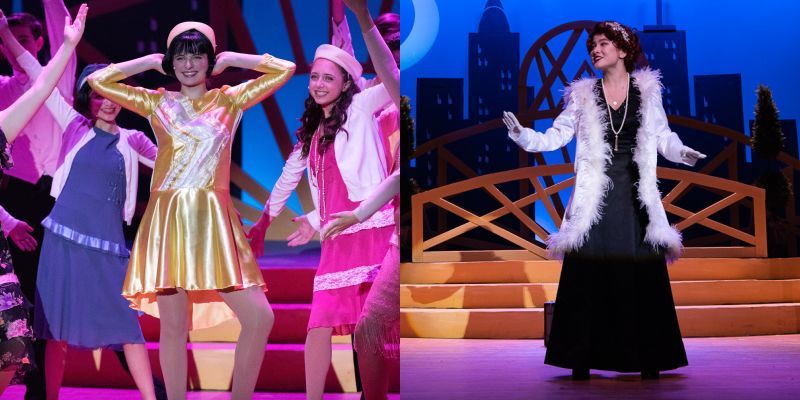
However, over the past decade, a quiet cultural and technological revolution has fundamentally dismantled this traditional boundary. Driven by advancements in spatial audio, extended reality (XR), interactive storytelling, and sophisticated environmental design, show entertainment has shifted from a passive viewing experience into a deeply immersive, highly participatory ecosystem. Examining this shift reveals how creative producers are fundamentally redefining live performance for a new era.
1. Spatial Architecture and Environmental Storytelling
Modern show entertainment no longer confines its narrative to a traditional proscenium arch stage. Instead, directors and spatial designers are transforming entire venues into living, interactive environments where every square foot contributes to the story.
This architectural shift manifests across several distinct production styles:
- Site-Specific Immersive Theater: Productions invite audiences to walk freely through multi-story environments, choosing their own pathways and interacting directly with actors. The narrative becomes personalized, as no two spectators experience the exact same sequence of scenes.
- Sphere Architecture and 360-Degree Visuals: Modern entertainment venues feature massive, high-definition internal LED screens and spatial audio arrays. Audiences are completely enveloped by hyper-realistic digital landscapes, blurring the line between physical reality and digital simulation.
- In-the-Round Arena Concepts: Musical artists and theatrical tours are increasingly adopting “in-the-round” stage configurations. Placing the stage in the exact center of an arena fosters a heightened sense of intimacy and collective energy between the performer and thousands of fans.
2. The Integration of Real-Time Extended Reality (XR) and Virtual Production
Technology has evolved from a mere supportive lighting tool into an active creative medium in show entertainment. The integration of Extended Reality (XR)—which encompasses Augmented Reality (AR), Virtual Reality (VR), and real-time LED volume projection—allows show runners to build visual spectacles that were previously impossible in live environments.
High-tech visual production enhances the live performance across several key areas:
- Augmented Live Performances: Concert goers utilizing specialized mobile applications or AR glasses can view real-time digital effects, animated avatars, and interactive 3D graphics layered directly over the physical stage during a performance.
- Holographic and Digital Persona Performances: Using advanced motion-capture data and high-definition projection systems, shows can feature photorealistic digital avatars of legendary artists or virtual performers, delivering live musical shows backed by full physical orchestras.
- Dynamic Digital Backdrops: Real-time rendering engines allow stage backgrounds to react instantly to a performer’s physical movements, camera tracking angles, or musical tempo, creating a seamless fusion between the artist and their visual environment.
3. Co-Creation and Participatory Audience Dynamics
The modern audience no longer wants to sit quietly in the dark; they seek agency, influence, and active participation. Leading show entertainment producers are designing interactive mechanics that turn spectators into co-creators of the live event.
Participatory entertainment operates through several innovative channels:
- Real-Time Audience Choice Mechanics: Interactive broadcast shows and live theater productions allow audiences to vote via mobile applications to alter storyline decisions, select alternate endings, or choose specific songs for an artist’s setlist in real time.
- Wearable LED Tech and Collective Lighting: Synchronized wearable wristbands given to venue attendees transform the entire crowd into a massive, living visual display. Controlled by central light boards, the audience actively forms glowing patterns that pulse in harmony with the performance.
- Gamified Live Events: Live game shows and interactive arena experiences incorporate gamification elements, allowing thousands of audience members to play simultaneously on their smartphones, with live scoreboards projected above the main stage.
4. Multi-Sensory Design and Hyper-Personalization
To compete against the comfort and endless options of home streaming services, live show entertainment focuses heavily on multi-sensory immersion. A great show now targets all five human senses, creating visceral emotional memories that digital screens cannot match.
Engaging multiple senses transforms a standard performance into an unforgettable event:
- Tactile and Haptic Sensory Feedback: Modern seating arrays in high-end theaters integrate haptic transducers that vibrate in synchronization with bass frequencies, sound effects, or stage movements, allowing audiences to physically feel the action.
- Atmospheric and Olfactory Effects: Environmental control systems subtly diffuse custom scents, temperature shifts, and mist into the venue, aligning ambient air conditions with the on-stage narrative setting.
- Personalized Audio Streams: Advanced multi-channel headphone systems permit audience members to select custom audio mixes, choose preferred commentary languages, or isolate specific instrument tracks during a live concert.
Conclusion
The transformation of show entertainment reflects a deeper cultural shift toward active human experience, spatial creativity, and technological innovation. By tearing down the traditional wall separating the stage from the audience, modern show creators have fundamentally elevated what it means to attend a live performance.
Through site-specific spatial design, extended reality visuals, real-time audience participation, and rich multi-sensory integration, the show entertainment industry has successfully rewritten the rules of engagement. As technology continues to mature, the shows that thrive will be those that honor artistic storytelling while transforming every spectator from a passive observer into an active participant in the magic of live performance.